
|
We're so proud of therapist Jamia Davis for her wonderful interview on UNC-TV on July 22, 2021. In recognition of National Minority Mental Health Awareness month, the purpose of this townhall was to educate North Carolinians about the challenges African Americans face in terms of mental health and substance use and access to services. Leading the conversation were representatives of Voices of Affrilachia (VOA), which is a broad regional coalition of stakeholders focused on improving equitable service delivery in behavioral and mental health services across the footprint of Appalachia region of North Carolina. Watch the recording here. Thanks to Jamia for raising awareness and educating our community about these important issues. We're lucky to have her on the BTC team! To schedule an appointment to work with Jamia, click here. 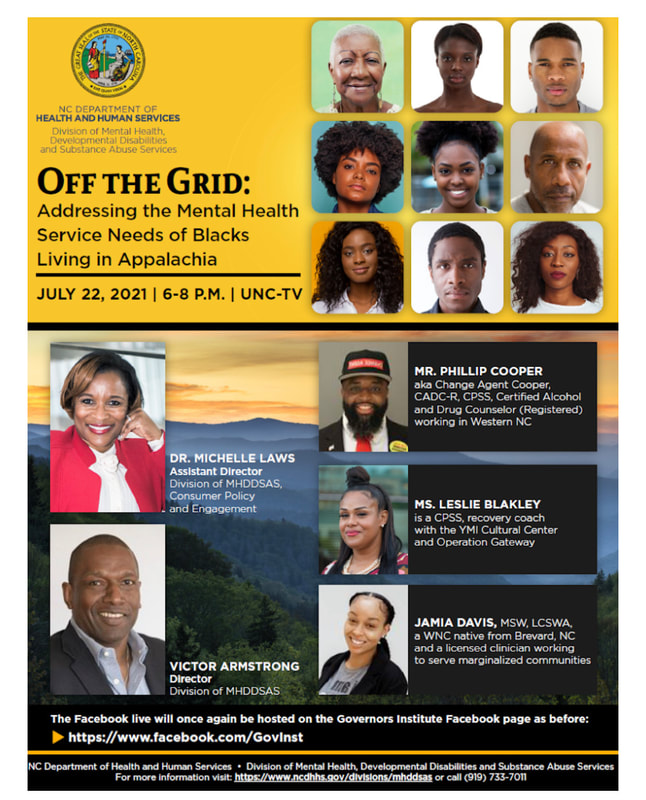
0 Comments
Q: As a therapist, how do I create a safe environment for my patients?As private practice clinicians, we are generally aware of the importance of the therapeutic environment we create, with lighting, comfortable seating, and soothing colors being the norm. What you may not think, however, is how to create a safe environment for clients who have experienced trauma. Whether or not you specifically work with clients who have encountered trauma, it is important to recognize that certain things in the therapeutic environment can be triggers, even re-traumatizing, if we’re not careful.  When we think of trauma, we often think of an obvious event or catastrophe in a person’s life, that they identify and are coming to therapy to process. However, trauma can be a set of circumstances, a series of events, or even a long-term process, that ultimately causes a person to view their world as unsafe. Viewing the world as unsafe has lasting effects on the brain and nervous system, often causing a near-constant state of hyper-vigilance and acute awareness of stimuli. Little things can cause big reactions, and may derail what otherwise were productive and therapeutic sessions. According to SAMHSA, the five principles of trauma-informed care practice include: safety, choice, collaboration, trustworthiness, and empowerment. This article will focus primarily on the environmental factors to consider when creating a safe space for our clients. The following environmental suggestions address both psychological and physical safety. Seating
Communication
Auditory Considerations
Visual Considerations
As clinicians, these are small yet effective ways of intentionally creating a safe space for our clients to be able to be vulnerable and engage in healing. The idea is to carry this through for all of our clients, as we may be unaware of trauma they have experienced in the past. However, despite our best efforts at creating a safe environment, clients may still experience triggers, flashbacks, and panic episodes in session. Because of this, it is important for all clinicians to have basic knowledge of trauma, its impact on the brain, and how to deal with trauma responses in session. Even the most prepared and educated clinician may find themselves in a situation where a client is re-traumatized, and it is critical to understand how to respond in the moment. Psychological First Aid, Grounding Techniques, Breathing Exercises, and a neutral, calming presence, are all skills that clinicians should have in their repertoire, so we may help our clients process what they’re experiencing, and continue to grow and heal in therapy. Written by Jamie Cullen, LCMHC, LMHC, LCPC
References:
SAMHSA’s Concept of Trauma and Guidance for a Trauma-Informed Approach. (2014). Substance Abuse and Mental Health Service’s Administration. Almost an entire year into a worldwide pandemic, you may be feeling more stressed than ever. COVID-19 has made life different for everyone. From social distancing to virtual learning, everything has changed. Our routine isn’t what we were used to, and that can come with challenges.If you find yourself struggling, finding a mental health counselor who can help you through this tough time is essential, even through a screen. You wouldn’t just brush off a broken arm, would you? So why would you ignore your mental health? Your brain is your most complex and important organ. You have to take care of it. The Impact of COVID on Mental HealthThe world has been turned upside-down in the last year, from social distancing to having to go through virtual learning. All these changes are making it rougher for mental health than normal everyday life. It’s no secret that a pandemic is rough on mental health. It’s been documented before that a pandemic will see a rise in mental health issues like anxiety, depression, and even OCD. There has been a rise happening with mental health issues because of the isolation, social distancing, and virtual learning and work. Social Distancing & IsolationOne of the first things that happened in many places was the closure of non-essential businesses and schools all over the United States. People were told that staying home and only going out when needed was going to help prevent the spread of the virus. All restaurants were closed to dine-in, and other social gatherings were put on hold till further notices. There are reported issues that come with social isolation, which is where we are now. People are feeling the adverse effects of what is our new normal. There has been a rise of about 37% in mental health issues ranging from anxiety to depression during this quarantine. The biggest worry is that of suicidal ideation during this time. Isolation is a risk factor for suicide, and being forced to be in isolation can increase the thoughts that lead to it. This is why talking to a mental health professional is vital. If you are finding yourself in a dark place, find a counselor in your area. These times are hard, and having someone to talk to is going to be essential. If you aren’t able to contact a counselor, then reach out to your family and friends. You may not be able to see them in person but use FaceTime and Zoom to meet people. Your mental health is so important, and you have to take care of yourself, even in isolation. Virtual LearningThere are many children out there that are still doing virtual learning. Your child may be one of them, and you can see them struggling. Many parents are worried about their child falling behind in social and emotional development during this time. It's a valid worry. Children need to have one another to thrive and grow into adults later on. Zoom classroom isn’t the same as being in a school, but it is better than nothing. Make sure your child is logging into the meetings and participating. This is going to help them in the long run, and if they are struggling, talk to the teacher yourself. For special needs children, this virtual learning is more challenging. IEPs and other learning accommodations aren’t easy when it comes to a virtual classroom. Now, as children start going back to the building, there are even more worries. For students with social anxiety, it may be heightened after being in isolation for so long. Take it easy on them and try and work with them to know it is okay. This virus is scary but wearing the mask, washing your hands, and staying six feet apart is helping. Finding a mental health professional that can help with these worries will be vital in helping those who struggle. Being able to talk to someone who understands is going to be helpful in the long run. Job InsecurityLosing a job during COVID-19 has been at an all-time high. This is a tough place to consider that have not only jobs been lost, but also insurance. This takes a toll on anyone’s mental health, not knowing how we can get the help we need. The less money you make, the worse the impact is when it comes to losing a job. It is a scary place to be when you don’t know how you will afford to take care of your health. Take the time to research what you can do if you lose your job and insurance. While it isn’t ideal, COBRA is an option if you can afford it. Your mental health should come first when dealing with something as stressful as a pandemic. Mental Health CheckIt is essential to check in on your mental health and those around you. There are many signs to take in, and while some are subtle, others are loud and in your face. Here are some of the signs to look out for that may be signs you need to see a professional.
Those are just some of the signs that you may need to check in with a professional. Remember, your brain sometimes needs some extra help-- it can get "sick" just like any other part of your physical body. This pandemic is taking a toll on everyone, and you shouldn’t have to feel like you are going at it alone. It isn’t easy right now in the world. That is clear as day. If you or someone you know is struggling, reach out. It doesn’t mean you are weak or broken-- it means you courageous and you care. We are here to help. Your mental health matters. Contact us to schedule an appointment with one of our licensed counselors today. Written by Tia Kitchens for Banyan Tree Counseling & Wellness. Holding a degree in Psychology from Capella University, Tia is a writer with a passion for psychology and learning. In her free time she enjoys being with animals and hopes to work with therapy animals in the future. Ultimately, she aspires to spread awareness about the importance of mental health.
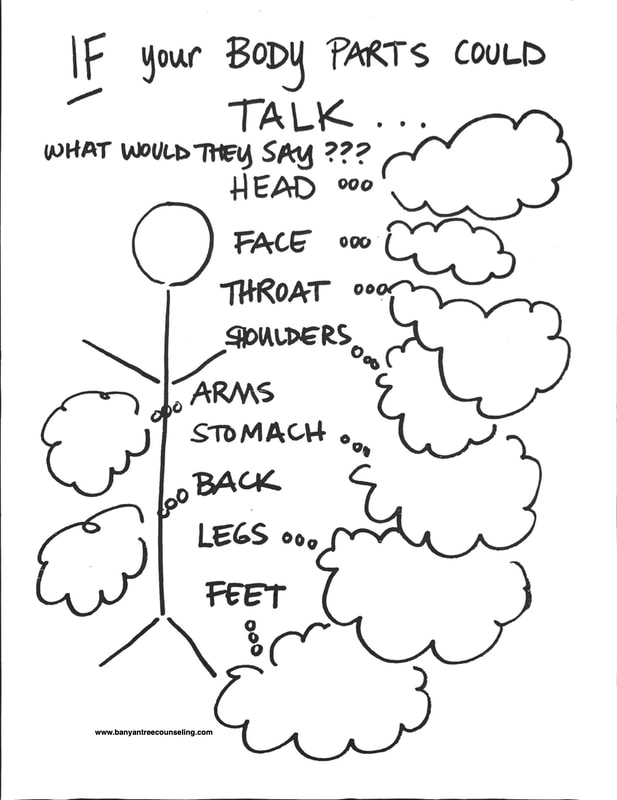
Our awesome therapist Amber Garcia shares some easy techniques to help you manage anxiety. These tips are great for all ages. Hope you find it helpful! I recently came across this article about motivating children who lack motivation. One of the points the author describes made me pause. She asks the parent what motivates their child? What does he really want? What questions can I ask that will help him discover and explore his interests? What are his goals and ambitions? Encouraging children requires you as a parent to step far enough away to see your child as a separate person. With all our good intentions, it is easy to become wrapped up in the stress of every day life and forget our children are not mini-me's, but are separate people with different preferences, different ways of thinking, feeling, and doing things. For a child to feel motivated they must first feel seen. They must feel that their voice matters. That their parent takes the time to really listen-- not to what you want the answers to be, but to what your child is really saying. And if the answers happen to not line up with who you are, respect them, even if you disagree. I read this "66 Positive Things To Say To Your Child" post today, and wrote down the ones I regularly say to my children, and the things I'm going to try. to say more often. It was a good reminder to see my children as their own separate selves that I must continue to learn and understand as they grow. Encouraging things I say often: #2: You make me proud. #6: You don't have to be perfect to be great. #17: You were right. (Especially if I had previously told them they were not!) #37: I trust you. #38: That was a really good choice. #63: I love you. Here's what I'm going to try to say more of: #19: We can try it your way. #34: I admire you. #44: Thank you for being you. #60: I'm listening. #65: You are enough. What are some things you say now vs. what you'd like to say more of to encourage your child and help them be the beautiful little people that they are? Warmly,  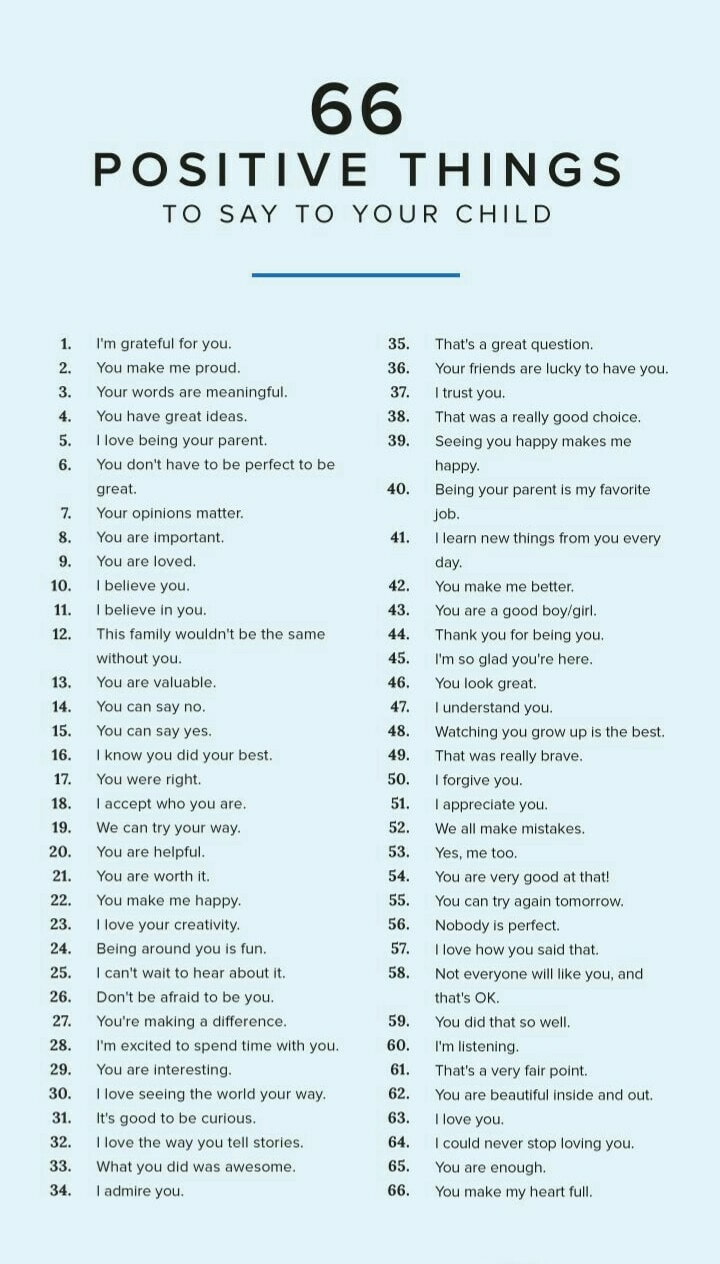 If your body parts could talk, what would they say?I've used this worksheet with my own children, with students I've taught, and with clients, both children and adults. Teaching kids to "tune in" to their bodies is an essential skill and doesn't always come naturally. There are so many benefits to learning this skill! One is emotional regulation-- kids who can listen to their body have an easier time managing and coping with their feelings, especially the really big ones, like anger, disappointment, fear, frustration, guilt, sadness.. . They feel more capable, confident, have a more secure sense of self. They have less behavioral problems, better social skills with peers, more empathy and supportive relationships... It's not just a skill for kids., Adults benefit in similar ways, too, with overall mental stability, positive sense of self, solid relationships, increased career satisfaction. Take a moment today to tune inward,. Breathe in for 4 seconds, hold for 7, and slowly release for 8. Then scan your body and really listen to what each body part is telling you. Maybe some are silent, while others are screaming! That's ok, no judgement. All you have to do is listen. Click to download the PDF to use at home. 
 We're living through a significant time in history. This interactive packet helps parents talk with with their kids about the impact coronavirus has on their lives, and create a "time capsule" to document this experience to look back on. You can download the free printable below. It was originally created by Long Creations, who deserves many thanks for sharing! 
you weep
as you watch the blazing fire burn down everything you've ever loved in time the ashes will nourish the barren and fertilize the soil one day you will realize this as you stroll through your garden of flowers. -Chantal Hayes Of course there is a time of afternoon, out there in the yard,
an hour that has never been described. There is the way the warm air feels among the flagstones and the tropical plants with their dark, leathery green leaves. There is a gap you never noticed, dug out between the gravel and the rock, where something lives. There is a bird that can only be heard by someone who has come to be alone. Now you are getting used to things that will not be happening again. Never to be pushed down onto the bed again, laughing, and have your clothes unbuttoned. Never to stand up in the rear of the pickup truck and scream, as you blast out of town. This life that rushes over everything, like water or like wind, and wears it down until it shines. Now you sit on the brick wall in the cloudy afternoon and swing your legs, happy because there never has been a word for this, as you continue moving through these days and years where more and more the message is not to measure anything. -Tony Hoagland I am occasionally approached by college students interested in learning more about what it takes to become a licensed psychotherapist. Here is a recent interview; I really enjoyed answering the questions. I thought I would post it in hopes that perhaps it might inspire others thinking of pursuing this career! 1) Why did you choose this career? It's possible that my childhood had something to do with it. As a kid, I suffered from anxiety (which in my early adult life transformed into depression). At one point I was diagnosed with asthma attacks, even though what I was really having was panic attacks due to anxiety. I was 8 when my parents divorced and engaged in a lengthy and difficult custody battle. I was put into counseling with a court-appointed therapist to help determine the custody ruling and visitation schedule. I hated it. I felt misunderstood and unsupported. I think that was the first seed planted in my mind. I thought, "What if I could do this when I'm older? For kids like me, and actually help them?" I remember thinking that since I had been through it, then I'd know what they'd need. When I graduated college, I became an elementary school teacher. It was fulfilling, but not quite in the way I had hoped. I wanted to be able to dig deeper into a person's life; to learn how our brains work and gain skills to help people emotionally and behaviorally. 2) Describe what you do in a typical work day? I try to arrive at least 30 mins to 1hr early to get settled in and review the treatment plan and the patients' notes from previous sessions. One thing I feel is important in this career is the ability to leave your own personal "stuff" at the door. I usually say a small prayer of thanks for having the opportunity to do this sacred important work. I light a candle and set my intentions for the day, which includes freeing my mind from any of my own personal baggage that I may have going on at the time. 3) What kind of schedule do you typically have? Since I own a solo private practice, I get to make my own schedule (which is pretty great, especially since I have kids)! I work two days per week, from about 9am to 8pm. It sounds like a long day, but I have a few breaks midday. Each session is 45-50 minutes long. I typically have about 6-8 clients per day. I see a wide range of folks: children, teens, college-aged students, adults, couples, and families. My niche is in children and families, but I truly enjoy the variety. 4) At this company, what are a few of the entry-level and/or advanced positions? I currently own a solo practice, but in the future (maybe when my kids are all in school!) I would like to expand to hire other therapists, a receptionist/scheduler, and insurance biller. 5) What do you wish you had known about your career before your started working here? I didn't realize how long it would take to actually become a licensed therapist able to open a private practice. It took me 9 years from the start of graduate school in psychology, to opening the doors of my private practice. I also didn't realize how difficult this job is. The burn-out rate is high. You have to practice consistent self-care. 6) How well did your education prepare you for this career? It prepared me fairly well, although most of what it takes to be a good therapist cannot be found in a book, or be taught by a professor. It takes a lot of hands-on practice. I was probably not such a great therapist when I started. I look back at some of the things I said to clients when I first started and I'm embarrassed! It takes a lot of practice, mistakes, good supervision, and mentoring. One thing my schooling did NOT prepare me for is how to open and run my own business. I think counseling psychology programs should require at least one course in business management. I had to figure it all out on my own. I'm still learning! 7) What work–related values are most important for this field? Support from other therapists in the field is important. Most therapists I know (no matter how long they've been practicing) regularly touch base with a therapist who has been practicing longer than they have for consultation. In this job, making ethical decisions can be tough. It's important to have other therapists on speed-dial that you trust. 8) What are the most challenging aspects of your job? As a therapist, being emotionally present with a client and going into the dark and difficult places with them is extremely challenging and painful. It's important to do your own work personally, as in, having your own therapist to work through your own inner conflicts and past traumas. No therapist can be effective without doing this. A mentor once told me "you can only take your clients as far as you've been." I've done a lot of work on myself in the past decade, but it's a lifetime process. I see my own therapist every other week! 9) What advice do you have for someone who wants to begin working in your career field? Make sure you have a fantastic ethics professor and supervisor/mentor (as well as malpractice insurance)! Legal and ethical issues come up all the time. Also, it's important to have someone mentoring you who can help you with boundaries. Keeping appropriate boundaries as a therapist is difficult, and it's tested frequently. In the first several years, you're going to need a lot of good supervision around boundary issues. 10) Can you please include a brief description of your educational path, as well as employment leading up to owning your own business? My first career was an elementary school teacher, which I did for a few years out of college. I went to graduate school at the University of San Francisco and graduated in 2008 with an M.A. in Counseling Psychology. I completed my 2 year internship as a school counselor. After that, I got a job in a wilderness therapy program counseling teen girls in West Virginia. From there, I worked at an agency providing case management and therapy in Intensive In-Home Services program (a Medicaid-funded program where a team of therapists provide individual and family therapy inside a child's home, most times when the child is at risk for being removed due to violence, substance abuse issues, etc.) From there, I moved and took a job providing counseling services in several schools, as well as a local pediatric office. |
Banyan Tree Counseling & WellnessWe are a team of licensed clinicians with a holistic, strengths-based, and evidence-based approach. We offer counseling for people of all ages, life coaching, group therapy, educational consulting and advocacy, assessments, and dietary nutrition services. 
Categories
All
|
||||||

Individual Counseling • Couples & Families • children & teens • Educational Advocacy • Nutrition Counseling

|
Phone:
ph: (336) 448-4451 fax: (336) 450-1884 |
Winston-Salem Locations:
3303 Healy Dr. & 3305 Healy Drive Winston Salem, NC 27103 1365 Westgate Center Drive. Suite L1 Winston Salem, NC 27103 |
Wilmington Location:
1410 Commonwealth Drive Suite 101A Wilmington, NC 28403 |
If you are in a life threatening situation call 1 (800) 273-8255 or use these resources to get immediate help.
HIPAA Notice of Privacy Practices
© 2015-2024 Banyan Tree Counseling PLLC | Banyan Tree Wellness LLC | All Rights Reserved.
All content on this website, unless otherwise specified, is the sole property of Banyan Tree Counseling & Wellness and is protected by copyright laws.
Any unauthorized reproduction, distribution, or use of this content is strictly prohibited and may result in legal action.
HIPAA Notice of Privacy Practices
© 2015-2024 Banyan Tree Counseling PLLC | Banyan Tree Wellness LLC | All Rights Reserved.
All content on this website, unless otherwise specified, is the sole property of Banyan Tree Counseling & Wellness and is protected by copyright laws.
Any unauthorized reproduction, distribution, or use of this content is strictly prohibited and may result in legal action.