
Expressive Arts Therapy
When words fall short, creativity speaks.
Some experiences live deeper than language. They show up as tension in your body, a knot in your chest, or a feeling you can't quite name. Expressive arts therapy creates a safe space for those wordless parts of you to be seen and understood—through art, movement, imagery, or sound.
At Banyan Tree Counseling & Wellness, you don't need to be "good at art" or naturally creative to benefit. You just need to be willing to explore what happens when creativity becomes a part of your healing journey.
-
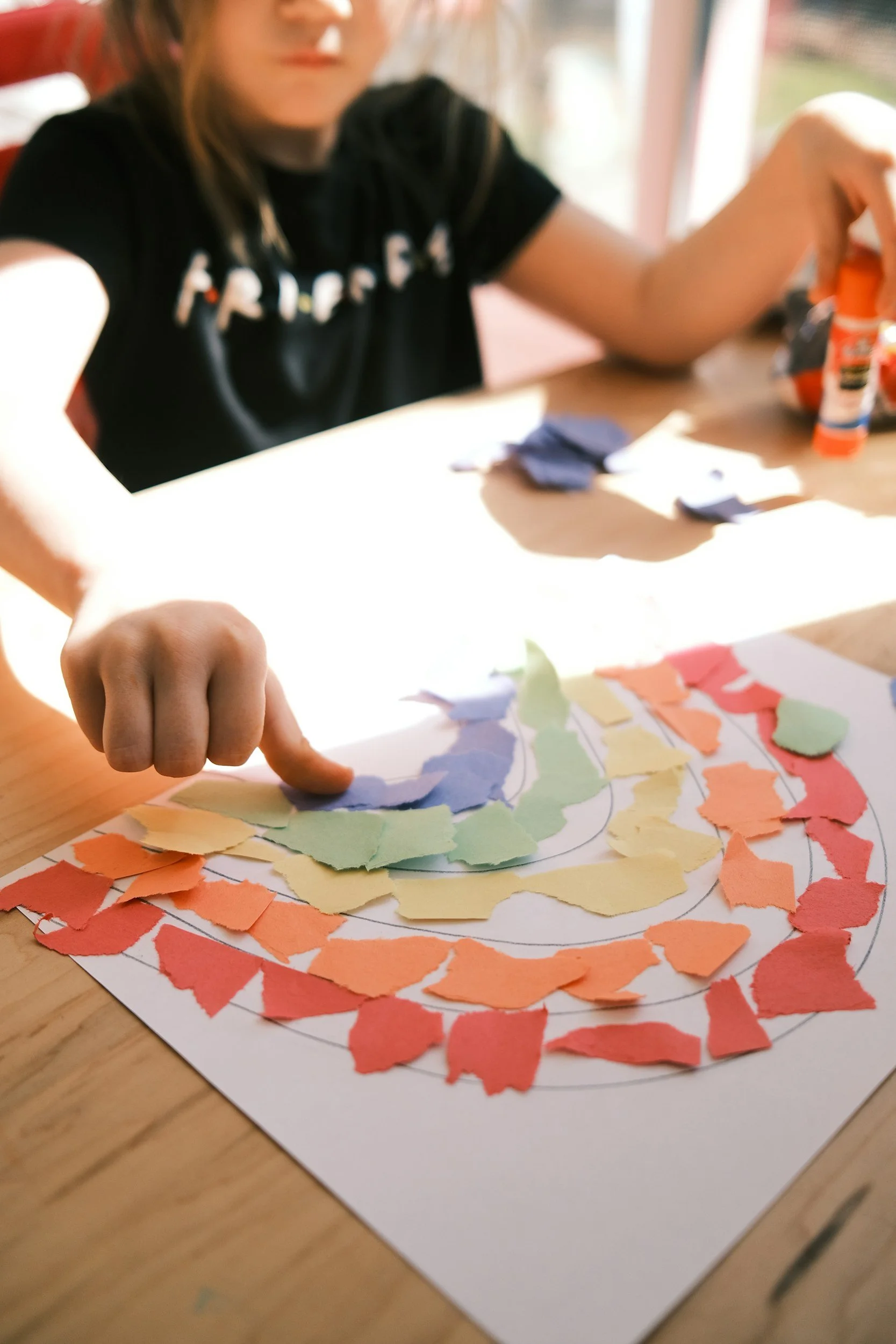
Expressive arts therapy is not about artistic skill, talent, or producing a "good" piece of art. It is about using creative expression as a tool for exploration and healing. Depending on your comfort level and goals, sessions may include drawing, painting, collage, writing, guided imagery, movement, music, or other creative forms. Stick figures, abstract shapes, words, and simple imagery are all welcome. You always have a choice in how you participate.
-
Curiosity is enough—you don't have to know for sure if it’s right for you. If you feel stuck, overwhelmed, or interested in exploring therapy beyond just talking, it is worth trying. Expressive arts therapy is particularly helpful for:
Trauma & Stress: It provides a gentle, grounding way to process experiences that feel overwhelming, creating a sense of distance and safety when exploring painful material.
Neurodivergent Clients: It allows for nonverbal expression, sensory awareness, and flexible communication. Sessions can easily be adapted to honor sensory preferences and pacing needs.
Identity Exploration: It offers a powerful space to explore identity, values, culture, and lived experiences—especially for those navigating questions related to gender, sexuality, race, or life transitions.
-
There is no single "right" way to do expressive arts therapy. Some clients use creative work to access feelings that they then explore through conversation, while others prefer to let the creative process take the lead. A typical session often includes:
A brief check-in to see where you are.
An optional and flexible creative prompt or activity.
Time to reflect on the emotions, sensations, or themes that emerged during the activity.
Integration of those themes into your broader therapeutic goals.
-
What if I feel uncomfortable or self-conscious? That is very common! This therapy moves at your pace, and nothing is ever forced. You are welcome to observe, reflect, or engage minimally until you feel ready. The focus is on emotional safety, not performance.
Is this instead of talk therapy, or in addition to it? It often integrates seamlessly with talk therapy. Your therapist will collaborate with you to find the balance that works best.
What happens to the art I create? That is entirely up to you. Some clients keep it, others leave it behind, and some choose to discard it. The art itself isn’t the “treatment”—it’s the experience of creating and reflecting that truly matters.