
Learning to Feel Safe Together: Reflections from Trauma Therapy
Written by Emu Aragon, MS, LCMHC, QS, LPC-MHSP, NCC, ACS
Clinical Lead/Supervisor
Psychotherapist
They say your specialty as a psychotherapist often finds you rather than the other way around. This has been true for me. Starting out my career almost nine years ago, I did not think that my work would primarily entail helping traumatized nervous systems find equilibrium. As I reflect on my identities as well as the identities of the clients that I have had the privilege of working with, I see now how silly it was to think that I would not be a trauma-focused therapist.
People of Color and Queer (LGBTQ+) individuals face higher rates of traumatizing events such as racialized violence, hate speech, and a general diminished sense of safety in their everyday lives. These experiences can leave a person with a fragmented sense of safety within their own bodies as well as within relationships to friends, families, partners, children, parents, and of course, strangers. At its core, safety is about connection. Connection within yourself and connection to others. When we can trust that a connection is safe and won’t leave us feeling harmed in some way, we experience growth and healing from previous harmful experiences where connection was dangerous or painful.
Posttraumatic Stress Disorder (PTSD) as a diagnosis is used to explain how a person’s nervous system and belief system shift in response to threatening events. After experiencing a threatening incident or learning about a loved one’s threatening experience, our bodies and minds can be shaped and reshaped in ways that prioritize self-preservation at the slightest hint of danger - actual or perceived. Our nervous system can become hypervigilant, always scanning for possible threats. We can experience intrusive thoughts, memories, or nightmares related to a threatening incident. We can begin to avoid any and all situations that may trigger our alarm bells which can become problematic in our day-to day lives. The “on” switch to our nervous systems becomes hypersensitive, able to flip on at the faintest notion of danger. Lastly, our belief system may be altered - defined by a lack of trust in our ability to secure a sense of safety within ourselves or with others.
Whether I’m working with a first-responder, a person who has experienced marginalization, or both, the first step is in building trust within our newly formed connection. Aligning the stable rhythm of my nervous system with the understandably trepidatious pulses of their own. Before we ever begin reducing PTSD symptoms or processing deeply traumatic experiences, we step lightly into connection with each other, with the tranquility of the therapy office, and in time, within the security of their own body - recognizing that for some individuals, their bodies may never truly feel safe or secure. We honor the body’s inherent wisdom in prioritizing survival while coaxing it into taking small, measured risks in trusting that a new space, in a new time is truly a calm and gentle place to experience secure connection once again or perhaps for the first time.
In your own life, who are the people that you feel securely connected to? The one or two individuals that you know mean you no harm and would hold themselves accountable in the off chance they did hurt you. If you’re struggling to identify one or two individuals, that’s okay. You are among many who have yet to find that kind of connection. Therapy can be a space to begin exploring where those opportunities may already exist in your life that perhaps you’re missing, or have been hesitant to take a chance on. Therapy can also be a place to understand your nervous system, reduce shame around your body’s innate wisdom, and begin a journey of connection and growth. You deserve to start again or to begin for the first time to experience calm and tranquility.
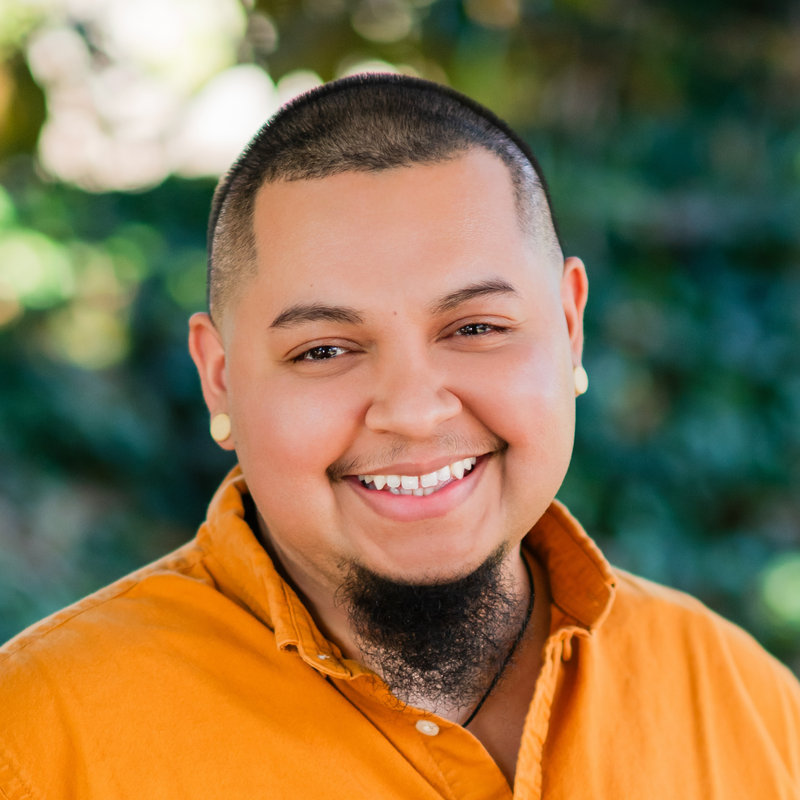
Author, Emu Aragon, offers trauma-informed, relational, and culturally responsive therapy that centers healing, growth, and self-reclamation. His work creates a brave, affirming space for Queer and Transgender individuals, People of Color, and neurodivergent adults to feel fully seen and honored. Emu draws from evidence-based approaches while honoring each client’s innate wisdom, emphasizing healing as a process of reclaiming what has always been present. He also supports romantic partners navigating both monogamous and ethically non-monogamous relationships.
