
Art For All: Where Creativity and Wellbeing Intersect
Written by Emily Ortiz Badalamente, MA, LCMHC, ATR-BC
Psychotherapist
As an art therapist, I often get the pleasure of hearing about people’s relationship with the word “art.” Some people talk to me about their favorite kind of art or craft. Others tell me about their favorite art projects from school. I hear about favorite museums, wine and paint nights with friends, or experiences like knitting that feel therapeutic and peaceful. It’s one of my favorite topics to discuss with others.
Often, I also hear people say “I’m not good at art.” I hear about how much people loved art class in childhood, but felt discouraged by grades. Or how they try to be creative, but perfectionism gets in the way. For all those who have a positive relationship with art, I meet just as many people who feel that art and creativity are out of reach.
This saddens me, because art and creativity can make us happier and healthier - no matter how “good” we are! A 2016 study showed that short artmaking experiences led to lowered cortisol levels, suggesting lowered stress. This was true regardless of type of artmaking, or if the person had any previous art experience (Kamail et al., 2016). Other studies suggest that enjoying art is linked to higher levels of wellbeing and happiness, as well as potential for lowered hypertension and inflammation (Lee et al., 2024).
This is obviously great for those who enjoy artmaking, or like being around art. But what about those who feel intimidated or bored by art? Because I am an art therapist, you can probably predict what I’m going to say…
Art is for everyone! Creativity is for everyone, and everyone is creative in their own way. I know that the “classic” ways of being creative, like drawing or painting, can often feel intimidating.
Because of this, I like to encourage people to pay attention to creativity that already exists in our everyday lives. Some examples of this are:
Choosing a new outfit combination, or dressing to evoke a certain feeling (like dressing “happy” or choosing colors that make you feel confident)
Redecorating, or hanging up new art on the walls of your room or home, and noticing how the art you own makes you feel or think
Stopping to enjoy a mural, or a creative display in a store window
Trying a new recipe, or a new flavor combination when making a meal
Decorating your planner pages with stickers or color combinations
Arranging your bookshelves in a way that pleases you
When we start to notice where creativity already exists in our lives, we can start to nurture it, and take it even further! If you’re interested in art and creativity, but are maybe unsure of where to start, here are a few ideas:
Make a scrapbook or album of photos that are meaningful to you. Choose colors, stickers, and words that connect to the emotions the photo evokes in you.
Go on a photo walk, and give yourself a photography theme. Using your camera or phone camera, take pictures of only red items, or only snap photos of leaves. Look up a photography scavenger hunt online to complete while you’re on a walk.
Think of art or craft styles that interest you, and look up some tutorials. YouTube and social media can be great resources, but don’t stop there. Make a plan to experiment and find some supplies. Some ideas to look up are tie dying, polymer clay crafts, stampmaking, origami, or paper mache. For some added creativity, try to use materials you might already have on hand!
Go see some art! Check out a museum, or look up local galleries to visit. Find murals or public art in your area, and take yourself on a field trip. Ask yourself, what inspires you? What styles, colors, and subjects do you like or dislike?
Take a beginning art or craft class. Some great local options in Winston-Salem are Sawtooth School for Visual Arts, Forsyth Tech’s Personal Enrichment Classes, Dabble Art Bar, Art Shac, and Village Fabric Shop.
Whether you are interested in making art, or just appreciating it, I encourage you to nurture your own connection with creativity. It can be a great way to better know yourself, learn new skills, or challenge your worldview. And you might just find ways to feel happier and healthier along the way!
If you’re interested in going further, and would like to explore how creativity can help you work on your mental health and wellbeing goals, consider working with an art therapist or creative arts therapist. For more information about art therapy, please visit The American Art Therapy Association. To learn more about the creative art therapies, like music therapy, drama therapy, and dance/movement therapy, please visit the National Coalition for the Creative Arts Therapies Associations.
References
Kaimal, G., Ray, K., & Muniz, J. (2016). Reduction of Cortisol Levels and Participants & Responses Following Art Making. Art therapy: Journal of the American Art Therapy Association, 33(2), 74-80. https://doi.org/10.1080/07421656.2016.1166832
Lee, S. S., Lee, S. H., & Choi, I. (2024). Do art lovers lead happier and even healthier lives? Investigating the psychological and physical benefits of savoring art. Psychology of Aesthetics, Creativity, and the Arts, 18(3), 279–286. https://doi.org/10.1037/aca0000441
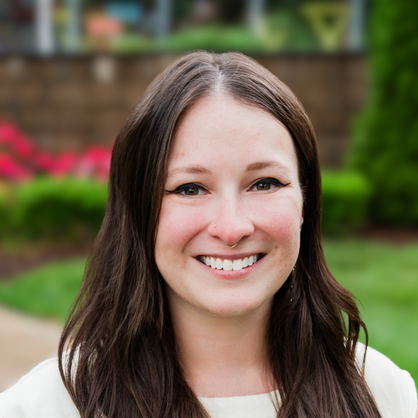
Author Emily Ortiz Badalamente is a Board Certified Registered Art Therapist (ATR-BC) and Licensed Clinical Mental Health Counselor who works with teens (age 16+) and adults experiencing ADHD, life transitions, grief and loss, trauma, anxiety, and self-esteem issues. Emily's warm and empathic style lends to a trusting and respectful therapeutic relationship with her clients. Her strengths based approach allows clients to gain insight, attain achievable goals, and create a fulfilling, joyful, and authentic life. Emily’s approach to therapy is integrative; she believes in addressing the spiritual, emotional, and physical needs of her clients so they may attain self acceptance and healing.
