
|
We're so proud of therapist Jamia Davis for her wonderful interview on UNC-TV on July 22, 2021. In recognition of National Minority Mental Health Awareness month, the purpose of this townhall was to educate North Carolinians about the challenges African Americans face in terms of mental health and substance use and access to services. Leading the conversation were representatives of Voices of Affrilachia (VOA), which is a broad regional coalition of stakeholders focused on improving equitable service delivery in behavioral and mental health services across the footprint of Appalachia region of North Carolina. Watch the recording here. Thanks to Jamia for raising awareness and educating our community about these important issues. We're lucky to have her on the BTC team! To schedule an appointment to work with Jamia, click here. 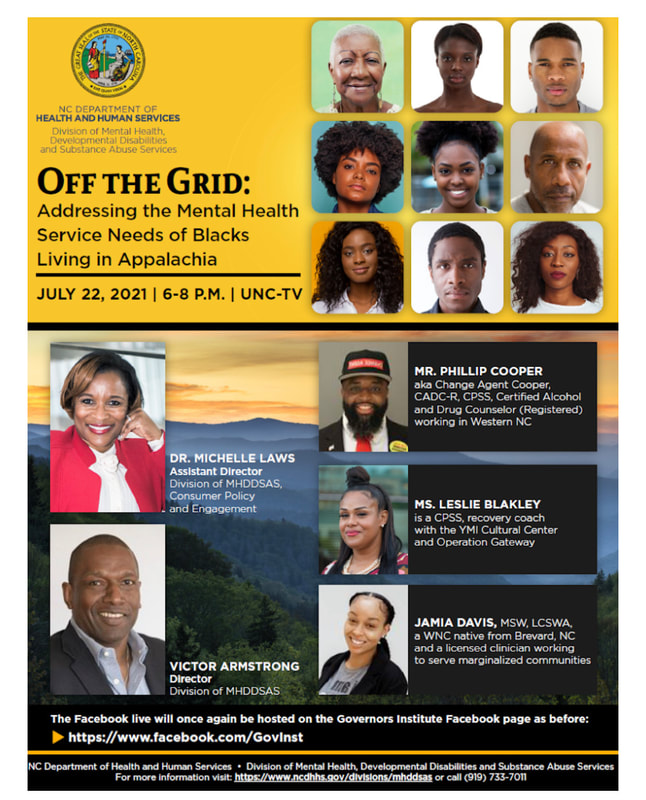
0 Comments
Q: As a therapist, how do I create a safe environment for my patients?As private practice clinicians, we are generally aware of the importance of the therapeutic environment we create, with lighting, comfortable seating, and soothing colors being the norm. What you may not think, however, is how to create a safe environment for clients who have experienced trauma. Whether or not you specifically work with clients who have encountered trauma, it is important to recognize that certain things in the therapeutic environment can be triggers, even re-traumatizing, if we’re not careful.  When we think of trauma, we often think of an obvious event or catastrophe in a person’s life, that they identify and are coming to therapy to process. However, trauma can be a set of circumstances, a series of events, or even a long-term process, that ultimately causes a person to view their world as unsafe. Viewing the world as unsafe has lasting effects on the brain and nervous system, often causing a near-constant state of hyper-vigilance and acute awareness of stimuli. Little things can cause big reactions, and may derail what otherwise were productive and therapeutic sessions. According to SAMHSA, the five principles of trauma-informed care practice include: safety, choice, collaboration, trustworthiness, and empowerment. This article will focus primarily on the environmental factors to consider when creating a safe space for our clients. The following environmental suggestions address both psychological and physical safety. Seating
Communication
Auditory Considerations
Visual Considerations
As clinicians, these are small yet effective ways of intentionally creating a safe space for our clients to be able to be vulnerable and engage in healing. The idea is to carry this through for all of our clients, as we may be unaware of trauma they have experienced in the past. However, despite our best efforts at creating a safe environment, clients may still experience triggers, flashbacks, and panic episodes in session. Because of this, it is important for all clinicians to have basic knowledge of trauma, its impact on the brain, and how to deal with trauma responses in session. Even the most prepared and educated clinician may find themselves in a situation where a client is re-traumatized, and it is critical to understand how to respond in the moment. Psychological First Aid, Grounding Techniques, Breathing Exercises, and a neutral, calming presence, are all skills that clinicians should have in their repertoire, so we may help our clients process what they’re experiencing, and continue to grow and heal in therapy. Written by Jamie Cullen, LCMHC, LMHC, LCPC
References:
SAMHSA’s Concept of Trauma and Guidance for a Trauma-Informed Approach. (2014). Substance Abuse and Mental Health Service’s Administration. |
Banyan Tree Counseling & WellnessWe are a team of licensed clinicians with a holistic, strengths-based, and evidence-based approach. We offer counseling for people of all ages, life coaching, group therapy, educational consulting and advocacy, assessments, and dietary nutrition services. 
Categories
All
|
Individual Counseling • Psychiatric Services • Medication Management • Nutrition counseling
COUPLES & FAMILIES • CHILDREN & TEENS • EDUCATIONAL ADVOCACY

|
Phone:
ph: (336) 448-4451 fax: (336) 450-1884 |
Winston-Salem Locations:
3303 Healy Dr. & 3305 Healy Drive Winston Salem, NC 27103 |
Wilmington Location:
206 N. 4th St, Suite 15 Wilmington, NC 28401 |
If you are in a life threatening situation call 1 (800) 273-8255 or use these resources to get immediate help.
HIPAA Notice of Privacy Practices
© 2015-2024 Banyan Tree Counseling PLLC | Banyan Integrated Health PLLC | Banyan Tree Wellness LLC | All Rights Reserved.
All content on this website, unless otherwise specified, is the sole property of Banyan Tree Counseling & Wellness and is protected by copyright laws.
Any unauthorized reproduction, distribution, or use of this content is strictly prohibited and may result in legal action.
HIPAA Notice of Privacy Practices
© 2015-2024 Banyan Tree Counseling PLLC | Banyan Integrated Health PLLC | Banyan Tree Wellness LLC | All Rights Reserved.
All content on this website, unless otherwise specified, is the sole property of Banyan Tree Counseling & Wellness and is protected by copyright laws.
Any unauthorized reproduction, distribution, or use of this content is strictly prohibited and may result in legal action.